

Buying headphones online is harder than ever. You see hundreds of models from brands like Sony, Bose, Apple, and Sennheiser. Every product claims to be “best.” Reviews contradict each other. One person says the bass is amazing. Another says it’s muddy. You can’t test comfort. You can’t hear the sound before buying. And just when you order one, a new version gets released.

So how do you choose confidently? Simple, we break it down step by step in this headphones buying guide.
Step 1: Start With Your Lifestyle
There is no universal “best” headphone, only the best one for your daily life. Ask yourself one simple question: what will you mainly use them for?
Most buying mistakes happen because people choose based on popularity instead of purpose. Once you define your main use, everything becomes easier type, features, and budget. Start with your lifestyle, not the price tag:
| Do you commute in noisy traffic? | Do you work from home and take calls? | Do you go to the gym? |
| Do you play games for hours? | Do you travel often? |
If you skip this step, you’ll likely regret your purchase. For example:
- Travelers need strong noise cancellation.
- Office workers need clear call quality
- Gym users need something lightweight and secure, sweat-resistant earbuds.
- Gaming requires low latency and a clear microphone.
- Music lovers may prioritize sound depth and balance.
- Writing down your main use case eliminates most bad options.
Step 2: Choose the Right Type or Style
If you’re shopping on a tight budget, check out our picks for the best budget over ear headphones that deliver great sound without spending too much.>Best Budget Over-Ear Headphones That Actually Slap in 2026
Different styles feel completely different, Choosing the wrong type often leads to regret, even if the sound quality is good. Your daily habits should guide this decision for choose the right headphones.
Over-Ear Headphones

Over-ear headphones fully cover your ears, creating a sealed space that improves comfort and sound depth. Because of their larger drivers and better passive isolation, they usually deliver richer bass, wider soundstage, and a more immersive listening experience. They are ideal for home use, office work, gaming, or long flights where comfort and sound quality matter most.
Looking for value without compromising quality? Explore our list of the best affordable over ear headphones for everyday use>>Best Affordable Over-Ear Headphones That Hit Different in 2026
However, they are bulkier and less practical for workouts or heavy movement. If you want strong audio performance and all-day comfort in a stable environment, over-ear headphones are often the right headphones.
On-Ear Headphones
On-ear headphones rest directly on your ears instead of fully covering them. They are usually lighter and more compact than over-ear models, which makes them easier to carry for daily commuting or casual outdoor use. Sound quality can still be good, but because they don’t create a full seal around the ears, noise isolation is weaker and some sound may leak out.
After long listening sessions, the pressure on your ears can cause slight discomfort for some people. If you want a balance between portability and performance without the bulk of over-ear headphones, on-ear models can be a practical choice.
Prefer a stable connection with no battery worries? See our guide on the> over the ear headphones wired options.
In-Ear / True Wireless Earbuds
Wireless earbuds are compact, lightweight, and easy to carry. They’re perfect for workouts, commuting, and everyday use. Many include noise cancellation and other smart features. Just make sure they fit properly for the best comfort and sound.
Open-Ear / Bone Conduction Headphones
Open-ear or bone conduction headphones keep your ears open, allowing you to hear traffic and surroundings while listening to audio. They’re a safe choice for runners and outdoor activities. However, they don’t produce strong bass or deep sound like traditional headphones.
The wrong style causes discomfort fast. Always choose based on how and where you’ll wear them.

Step 3: Wired or Wireless
This decision changes everything.
| Use Case / Lifestyle Scenario | Choose Wired Headphones When… | Choose Wireless Headphones When… | Recommended Winner & Why (2026 Context) | Key Nuances, Edge Cases & Implications |
Desk-Bound / Stationary Use (office work, home setup, long Zoom calls, content creation) | You sit mostly in one place; hate charging routines; prioritize mic clarity and zero dropouts. | You occasionally move around the desk/room; want ANC for noisy environments or multi-device switching. | Wired (or hybrid) – Simpler, no battery anxiety, better value for consistent performance. | Wired avoids frustration from dead batteries during important calls. Edge case: If you use a laptop without a headphone jack, get a USB-C adapter/DAC. Hybrid models let you unplug for short walks. |
| Critical Listening / Audiophile (hi-res music, vinyl, detailed podcasts, studio monitoring) | Sound purity and detail matter most; you use a DAC/amp; avoid any compression artifacts. | You want app-based EQ, spatial audio, or hi-res codecs (LDAC/aptX Adaptive) for near-lossless wireless. | Wired – Still delivers uncompressed, more accurate sound at lower cost. | Premium wireless (e.g., Sony WH-1000XM6) rivals wired in blind tests for casual listening. Implication: Wired gives better dollar-for-fidelity; wireless adds convenience but may introduce subtle processing. |
| Gaming (competitive esports, casual play, immersive single-player) | Zero latency is critical (e.g., FPS reaction timing); you game at a fixed desk/PC setup. | You want freedom to move (couch gaming, multi-room); low-latency 2.4GHz/dongle models are “good enough.” | Wired for competitive; Wireless (premium 2.4GHz) for casual. | Modern wireless gaming headsets (e.g., Turtle Beach, SteelSeries) hit ~10-25ms latency—imperceptible for most. Implication: Competitive players avoid Bluetooth lag; casual gamers |
Commuting / Travel (planes, trains, buses, noisy public transport) | Rare (only if you value ultimate battery-free reliability and don’t mind cables in tight spaces). | You need strong ANC to block engines/chatter; long battery life; portability without tangles. | Wireless (overwhelming choice) – Freedom + ANC make travel enjoyable. | Adaptive ANC auto-adjusts; transparency mode helps at announcements. Implication: Wired limits movement in crowded areas; wireless batteries last 30+ hours on top models. |
| Workouts / Gym / Sports (running, gym sessions, outdoor activities) | Almost never—cables snag, restrict movement, and get sweaty/damaged. | Secure fit, sweat resistance (IPX4+), ambient modes for safety, no cable interference. | Wireless (especially TWS or open-ear) – Complete freedom and durability. | Edge case: Bone-conduction (e.g., Shokz) for full awareness while running. Implication: Wired risks breakage; wireless with quick-charge handles short sessions well. |
| Budget-Conscious Buyer (under $150-200, maximizing value) | You want the best sound/performance per dollar; avoid paying extra for Bluetooth tech | You need basic features (calls, light ANC) and prioritize convenience over absolute quality. | Wired – Often superior sound/build at same price point. | Implication: $100 wired can outperform $150 wireless in fidelity. Edge case: If mobility is essential, stretch for mid-range wireless (e.g., Anker Sound core). |
| Battery Anxiety / Reliability Focus (forgetful charger, long sessions without outlets) | You hate interruptions; want “always-on” reliability; prefer low-maintenance gear. | You’re diligent about charging; value features over constant uptime. | Wired – No dead-battery surprises. | Nuance: Wireless batteries degrade over 2-4 years. Implication: Wired more sustainable (less e-waste); ideal for travel without outlets or forgetful users. |
| Professional / Studio Recording (podcasting, music production, video editing) | Latency-free monitoring; accurate, unprocessed sound; reliable for long sessions. | Rare—unless using low-latency RF/dongle systems for mobility. | Wired – Industry standard for precision | Edge case: Some pros use wireless for rough tracking then switch to wired for mixing. Implication: Avoids sync issues in DAWs; better for critical timing. |
In short- Wired
No battery, No connection issues, Best for studio or gaming, Usually cheaper for the same sound quality.
In short- Wireless
No cables, Easy movement, Includes ANC and modern features, Needs charging.
In 2026, wireless technology is very good, especially with Bluetooth 5.3 and LE Audio improving efficiency. But if you care most about pure sound accuracy, wired still wins. If you care about convenience, wireless wins.
Step 4: Do You Need Noise Cancellation?

Noise can completely change your listening experience. Passive noise isolation blocks sound physically through ear cushions or ear tips. It works naturally without battery power.
There are two types:
Passive Noise Isolation:
Passive noise isolation blocks sound physically through ear cushions or ear tips. It works naturally without battery power, blocks sound physically through ear cushions or ear tips.
Active Noise Cancellation (ANC)
Active Noise Cancellation (ANC) uses microphones and sound processing to cancel outside noise. It is especially effective against constant sounds like airplane engines or traffic, uses microphones to cancel outside noise electronically.
ANC works best for airplane engines, traffic, and air conditioners, If you travel frequently or work in noisy places, ANC is worth it. If you mostly stay in quiet environments, you may not need it. If you commute in noisy environments, ANC is worth it and If you stay in quiet rooms most of the time, you probably don’t need it. Some people feel slight ear pressure with strong ANC. It’s not harmful, but it feels unusual at first
Step 5: Understand Sound Quality (Simple Version)

You don’t need to understand audio engineering, Understand your listening style before choosing.
If deep bass is your priority, explore our list of the best bass over ear headphones.
Need to know this instead :
- Bass = low punch
- Mids = vocals clarity
- Treble = sharp details
If you love EDM or hip-hop, stronger bass may feel exciting and If you listen to podcasts or vocals, clear matter more. Sound is personal. Always check real user reviews for your music style.
Step 6: Comfort and Build Matter More Than You Think

Many people ignore comfort and regret it.
Look at:
- Weight (lighter is better for long use)
- Ear cushion material
- Headband pressure
- Ear tip options (for earbuds)
Wireless batteries also age over time. Some premium models now focus on replaceable parts and better durability. If you wear glasses, over-ear models with soft padding feel better. Comfort decides whether you use your headphones daily or leave them in a drawer.
Step 7: Battery, Features & Modern Extras
Most wireless headphones now offer 20–40 hours of battery, With ANC on, battery life drops.
Useful features in 2026:
- Multi-device pairing
- Transparency mode
- Spatial audio
- App-based sound customization
- Bluetooth LE Audio for efficiency
Don’t pay for features you won’t use.
Step 8: Budget Smartly

You don’t need $500 headphones unless you’re serious about audio.
- Under $100 → Basic but good for casual use.
- $100–$250 → Best value range.
- $250+ → Premium build and stronger ANC.
- $500+ → Audiophile territory.
If you’re aiming for performance without breaking the bank, check the guides below.
If you’re shopping on a tight budget, check out our detailed guide on best over ear headphones under $100.
Need something ultra-budget friendly? Here are the best over ear headphones under $50 worth considering.
Spending more only makes sense if you’ll actually use the extra features.
Step 9: Common Buying Mistakes
Avoid these:
- Buying only based on brand name
- Ignoring comfort
- Not checking compatibility with your device
- Overpaying for features you don’t need
- Ignoring return policy
Always read reviews from different sources, not just one.
Step 10: 2026 Trends (Should You Care?)
Bluetooth LE Audio improves battery efficiency and latency.
AI-based ANC adjusts automatically.
Some earbuds now track heart rate.
Sustainability is becoming important with repairable designs.
But here’s the truth:
You don’t need every new feature. You need the right features for your life.
Your Action Plan
- Define your use case.
- Choose the right type.
- Decide wired or wireless.
- Decide if ANC is necessary.
- Set your budget.
- Shortlist 2–3 models.
- Read multiple reviews.
- Buy with return option.
Final Honest Opinion
Buying headphones doesn’t need to feel stressful. The confusion happens when you chase specs instead of matching features to your lifestyle. There is no perfect headphone.
There is only the right one for you.
Best for Gaming Headset for PC (Low Latency + Good Mic) Recommended–

Best for Travel Noise Canceling Wireless Headphones (Strong ANC) Recommended–
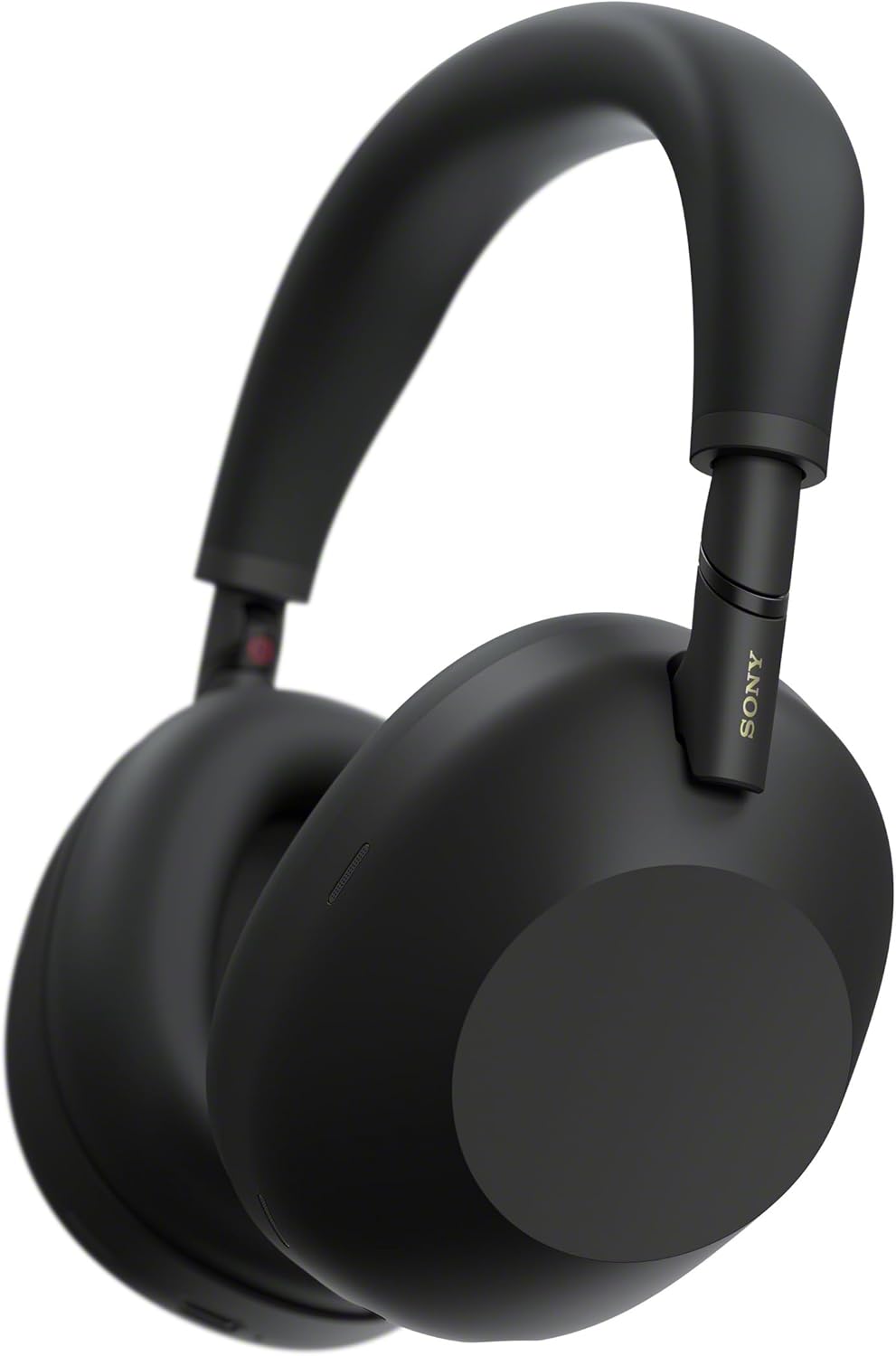
Best for Gym Bose QuietComfort Headphones (Secure & Lightweight) Recommended–

Disclosure: This post contains affiliate links. As an Amazon Associate I earn from qualifying purchases. If you purchase through our links, we may earn a small commission at no extra cost to you.
Related Headphone Guides
Explore our detailed recommendations based on your needs and budget:
- Looking for affordable options? Check our guide to the Best Budget Over Ear Headphones
- Want value without overspending? See the Best Affordable Over Ear Headphones
- Prefer a stable connection? Explore the Over the Ear Headphones Wired
- Need headphones for running? Discover the Over Ear Jogging Headphones
- Shopping under $100? Browse the Best Over Ear Headphones Under $100
- On a tight budget? See the Best Over Ear Headphones Under $50
- Want stylish options? Check out the Pink Over Ear Headphones
- Interested in popular brands? Read about Raycon Over Ear Headphones
- Need workout-friendly headphones? See the Best Over Ear Headphones for the Gym
- Love deep bass? Explore the Best Bass Over Ear Headphones
We are happy to help our respected user keep in touch and get updated Thank You.